More than a million people flocked to Busan to catch a glimpse of a female dusky shark they called Bukangi, according to the BBC. By the end of this read, you'll know what her story shows about wild animals in cities, why a famous shark still needs to go home, and how to tell public affection from what an animal actually needs.
What happened to Bukangi
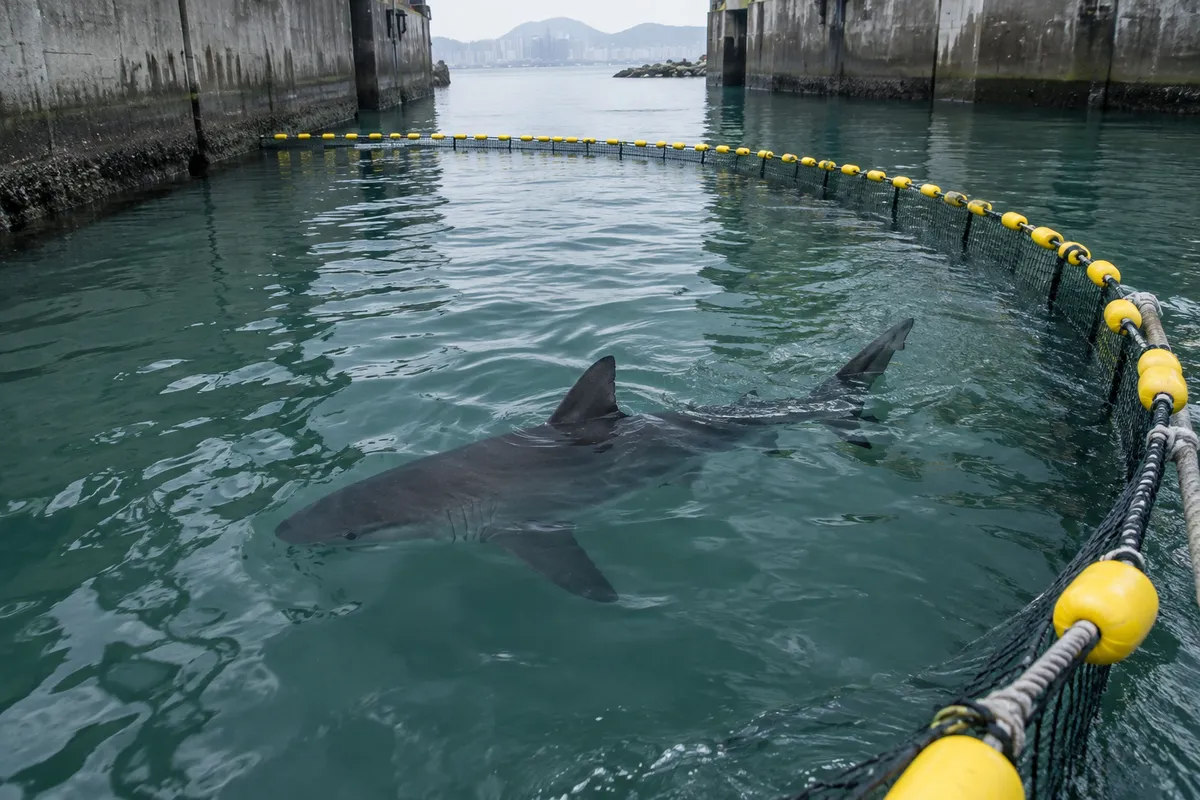
Per the BBC's reporting, Bukangi became trapped in a canal in Busan, South Korea. Her story went viral and set off a citywide effort to rescue her and return her to open sea.
The BBC's headline asks the question still hanging over the story: will she leave the canal and make it back to the ocean? Based on the information available here, that outcome was unresolved. So this article focuses on what the episode explains, not on how it ends.
Why a shark in a canal is a problem, not a tourist attraction
A canal is not a small ocean. It is a narrow, man-made channel, and a dusky shark is an open-water animal. The BBC describes the urgent need to return her safely to the sea, and that urgency is the part of the story that matters most for Bukangi herself.
The crowd's delight and the animal's welfare point in different directions. People gather because she is rare, visible and a little magical. None of that tells us whether she is doing well. A shark that is easy to see is, in this case, a shark in the wrong place.
Why might a shark end up in a canal?
No cause has been established in the reporting I have, so treat any explanation as an informed possibility, not a finding. Still, the broader context helps. The BBC's coverage lands amid rising concern over warming seas and more shark sightings off South Korea's coast.
It's reasonable to wonder whether warmer water and shifting animal movements make encounters like this more likely. That is a question, not a conclusion. Nobody has shown from this reporting that climate change brought Bukangi to Busan. What the story does show is that more sightings make people pay closer attention to what lives near their coastlines.
How a stranded animal becomes a celebrity
This is the surprising part. Bukangi didn't just attract onlookers. Per the BBC, the episode grew into a viral civic event, complete with merchandise, livestreams, protests and political messaging.
That list is worth pausing on. A single animal in a canal turned into:
- A brand: merchandise appeared around her.
- A broadcast: livestreams let people watch from anywhere.
- A cause: protests formed around what should happen to her.
- A talking point: politicians and others used her story to send messages.
Names help here. Calling her Bukangi turns an unidentified shark into someone people feel they know. That's a very human habit, and it's why the story spread so fast. It also makes the rescue emotionally complicated, because people care deeply, and not always in the same way.
Affection vs. what the animal needs
The tension at the heart of this story is simple. Public affection wants her close, visible and famous. Animal welfare wants her back in open water, which is also what the rescue effort is aiming for.
A useful rule of thumb when any wild animal goes viral:
- Ask where the animal belongs. For a dusky shark, that's the open sea.
- Ask who is making decisions. Rescuers focused on the animal's safety should lead, not crowds or marketing.
- Ask what the attention costs. Large crowds and hype can distract from the goal of getting her home.
These are my own suggestions, not guidance from the BBC. But they fit the situation it describes: a city caught between loving a shark and letting her go.
What this story says about cities and wildlife
Busan is a busy port city, and Bukangi's episode shows how thin the line is between urban life and wild animals. When the unexpected happens, a city can respond with real effort, as Busan did in mounting a rescue. It can also turn the moment into entertainment and branding almost instantly.
Neither response is surprising. What stands out is how quickly the two blend. The same shark can be an animal in trouble, a mascot on a souvenir and a symbol in a political argument, all in the same week.
The takeaway
Next time a wild animal becomes an internet favorite, check the rescue before you check the merchandise: find out what experts say the animal needs, and let that, not the hype, shape how you respond.