Does economic pain beat party loyalty? That question is being tested in the Midwest this midterm season. CNN reports that anger over high costs, along with doubt that President Donald Trump will change the nation's trajectory, is loosening the Republican Party's grip on working-class voters across the region. Democrats, per CNN, could be poised for a revival in the heartland.
By the end of this piece, you'll understand why prices are such a powerful force in voting, why the Midwest is the place to watch, and what to look for as results come in.
Why the Midwest is the test case
According to CNN's reporting, working-class voters in the Midwest have been central to recent Republican wins. That is what makes the region so important now. A party doesn't need every voter to change course to feel the effect. It only needs a slice of a crucial group to soften.
If that support weakens, it could reshape the midterm map and national political momentum, per the report. In other words, the Midwest isn't just one region among many. It is where a shift would be felt most.
Why prices hit voters differently than other issues
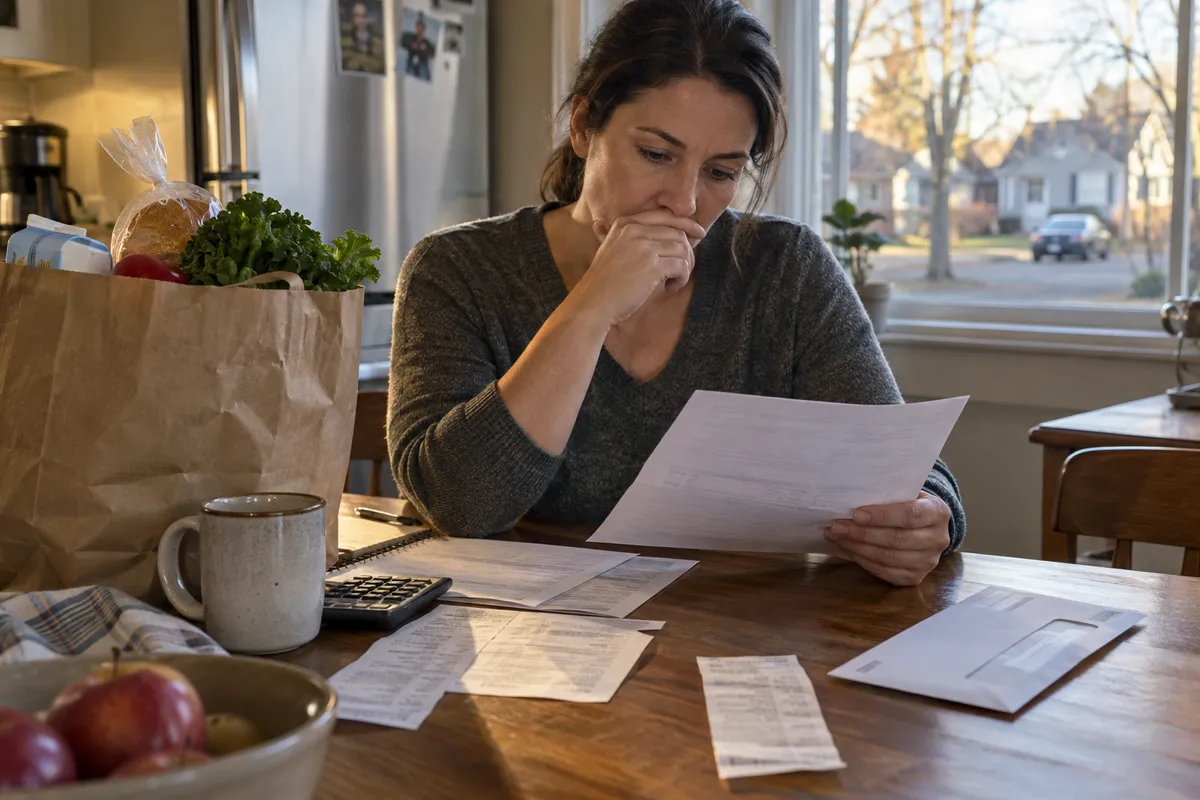
Many political issues are abstract. Costs are not. You meet them at the grocery store, at the gas pump, in your rent or mortgage, and in your paycheck. The cost of living remains one of the most powerful voter concerns, according to the reporting.
That gives it a different kind of force. A debate over policy can feel distant. A higher bill shows up on your kitchen table every month.
The four everyday costs to watch
When people talk about "the economy," they are usually feeling a few specific things:
- Groceries: the most frequent reminder, since you buy them weekly.
- Housing: the largest monthly bill for most households.
- Gas: a price displayed on street corners for everyone to see.
- Wages: whether your income is keeping up with all of the above.
The coverage I'm drawing on doesn't supply specific figures for these, so I won't invent any. But these four are the lens through which many households judge whether things are getting better or worse.
Frustration versus loyalty
Here's the interesting tension. Party loyalty is usually sticky. People often vote the way they have before, and they identify with a side. Economic frustration pushes against that habit.
CNN frames the opening for Democrats as two forces combining: fury over costs, and doubt about whether Trump will actually change the country's direction. The second part matters. Anger alone may not move a voter. Anger plus a loss of confidence that the incumbent side will fix the problem is a stronger recipe for rethinking a vote.
That's my read of the logic, not a prediction. Voters can stay loyal despite frustration, and the report describes a threat to the GOP's hold, not a certain loss of it.
Can Democrats actually win these voters back?
CNN's wording is careful: Democrats "could be poised" for a revival. That is an opening, not a result. An opening only counts if a party can convince voters it has a better answer to the problem they feel.
That's the open question. Dissatisfaction with one side doesn't automatically transfer to the other. Voters may stay home, split their tickets, or return to old habits. The outcome depends on whether working-class voters see a credible alternative on costs.
What to watch as results come in
You don't need to follow every race. A few signals tell you most of the story:
- Margins in Midwest races compared with recent elections. Even small shifts among working-class voters can matter in tight contests.
- Whether voters name costs as their top concern in exit polling and post-election coverage.
- Whether any change looks regional or national. A heartland swing could point to a broader momentum shift.
The takeaway
When you hear a claim about what "voters want," ask what it costs them to live. This season, the Midwest is the place where that question may decide whether household budgets outweigh habit, and the results will show how much.