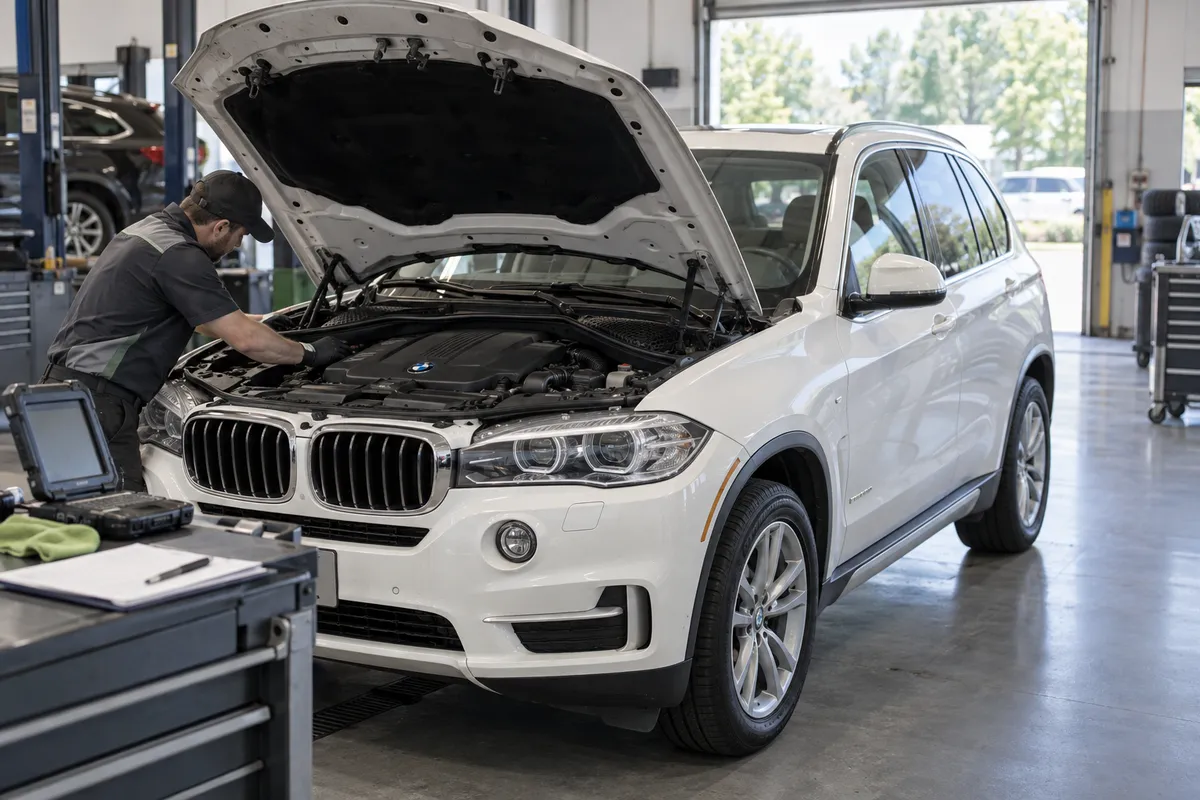
A 2015 BMW X5 xDrive35d recently sold after a Cars&Bids auction for $15,800, according to Autoevolution. That's a luxury SUV that once stickered in the neighborhood of $60K. By the end of this article, you'll understand why cars like this lose so much value, what makes this particular X5 interesting, and what to look at before you chase a similar deal.
What actually sold
Per Autoevolution, the vehicle is an F15-generation BMW X5 from the 2015 model year in xDrive35d trim. That means a turbodiesel straight-six under the hood and all-wheel drive. The report highlights its condition, maintenance history, and equipment as reasons the final price looks like a strong value for a well-equipped third-generation X5.
The takeaway from the outlet: for the money, this is an appealing used luxury SUV.
Why luxury SUVs lose value so quickly
The short version: the first owner pays for newness, and the second owner doesn't have to.
A new premium SUV carries a price that bundles in the badge, the latest technology, and the feeling of being first. Once it's a decade old, buyers compare it with newer vehicles and with cheaper mainstream ones. The newness premium disappears, and the price drops toward what the vehicle is worth as transportation plus a bit of brand appeal.
That's the pattern behind the headline number. A vehicle that started near $60K now fits within many mainstream budgets. You're not getting a discount on the original value. You're skipping the part of the price that was only ever about being new.
Why the diesel matters
The xDrive35d uses a turbodiesel straight-six. Diesels generally deliver strong low-end pulling power (torque) and good range per tank, which is why enthusiasts tend to look for them as alternatives to newer hybrid and EV-heavy lineups. That's the appeal Autoevolution points to: a torque-rich, long-range luxury SUV at used-car money.
The tradeoff is that diesel and premium-brand complexity can mean pricier repairs when something goes wrong. That's my analysis, not a claim from the report, but it's the question every buyer in this price range should ask.
Bargain or risk? How to judge a deal like this
A low price tells you what the market will pay. It doesn't tell you what the car will cost to own. Here's a practical way to think it through.
Look at the paperwork first
Maintenance history was one of the things highlighted in this sale. That's not an accident. On an older luxury vehicle, a documented service record is often worth more than a low odometer reading, because it shows whether the previous owner paid for upkeep or deferred it.
Budget beyond the purchase price
If you're shopping a car like this, set aside a repair fund on top of the sticker price. A common rule of thumb among used-car shoppers is to keep some money in reserve for the first year. The right amount depends on the car's condition and your tolerance for surprises.
Get an independent inspection
Before buying any used premium SUV, have a mechanic who knows the brand check it. An inspection costs a small fraction of a major repair and gives you leverage or a reason to walk away.
Compare equipment, not just price
The auctioned X5 was described as well equipped. Features matter in this segment because options that were expensive when new don't add much to the used price. A loaded example can cost little more than a stripped one.
What this sale tells you
One auction result isn't a market, and a single sale shouldn't set your expectations for every X5. Condition, mileage, and history all move prices. But it does show what a clean, documented example of this generation can bring today.
It also illustrates a broader pattern: the steepest part of a luxury car's price drop happens early, and later buyers get the benefit. If you want premium comfort and strong torque without a premium payment, a used model like this is where the math starts to work.
Your move
If a used luxury SUV tempts you, don't stop at the price. Ask for the service records, pay for an independent inspection, and set aside repair money before you bid. The deal is the car plus what it costs to keep it running, and that's the number to compare.