Data centers used to be invisible. They were big, windowless buildings you drove past without a second thought. Now they are showing up in county meetings, campaign messaging, and conversations about your utility bill. By the end of this article, you'll understand why a technology topic turned into a local political fight, and what to look for when a proposal lands near you.
The trigger for this look is a report from NPR on how data centers have become a bipartisan political issue in Wisconsin. As the midterms approach, NPR reports, many observers are looking to the swing state for clues about how the issue could play out nationally.
Why a tech story became a local story
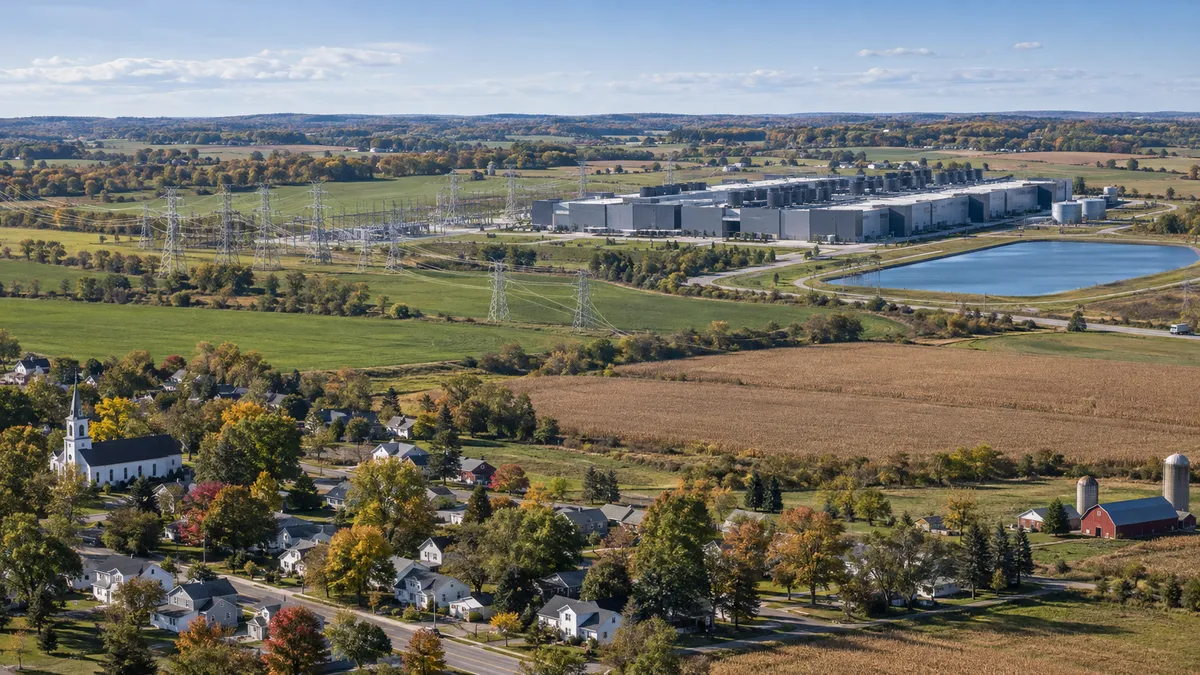
A data center is a building full of computers that store and process information. Demand for them is accelerating with artificial intelligence. That growth has to land somewhere, and where it lands is an actual community with actual land, power lines, and water supplies.
That is the key shift. Most tech debates happen online or in Washington. This one happens at the town or county level, where residents can see the proposed site and ask direct questions.
The four things communities are weighing
Per the reporting on this issue, communities are confronting questions in four areas. Each one touches daily life.
Power use
Data centers use a lot of electricity. The practical question for voters is whether serving them affects the rest of the grid, and ultimately what customers pay. That connects a server building to a monthly bill, which is why the issue travels so well politically.
Water
Water use is the second concern raised in the coverage. For a community, the question is simple: how much does a facility take, and what does that mean for everyone else?
Land
These facilities need space. Land use decisions are some of the most local decisions there are, and they can reshape how a rural area looks and feels.
Economic promises
On the other side of the ledger are jobs and tax revenue. Supporters point to these benefits, and for a small town they can be significant. Residents are weighing whether the promised economic gains match what actually arrives.
None of this makes the debate one-sided. It is a tradeoff, and reasonable people can land in different places on it.
Why both parties are in the conversation
The notable part of NPR's framing is the word bipartisan. Data centers don't map neatly onto a standard left-right split. Jobs and investment appeal to many people on both sides. So do concerns about energy costs, water, and local control. Because each party can find something to like and something to worry about, the issue doesn't belong to either one.
That is my read of why it spreads so easily: a candidate can talk about it as an economic opportunity, a cost-of-living worry, or a question of who gets a say in their own community.
Why Wisconsin is the place to watch
Wisconsin is a swing state, meaning neither party can count on winning it. That makes it a useful test case. If a message about data centers works there, strategists in other places will likely take notice. NPR describes the state as a place people are looking to for lessons on how the issue could play out nationally.
It's worth being careful here. One state is a preview, not a prediction. Whether data centers produce voter backlash, voter support, or just a shrug in November is something the results will have to show.
What to look for if a data center is proposed near you
You don't need to be an engineer to ask useful questions. The same four categories give you a checklist:
- Power: How much electricity will the facility need, and who pays for any new infrastructure?
- Water: How much will it use, and where will it come from?
- Land: What is the site now, and what happens to the surrounding area?
- Promises: How many jobs, how much tax revenue, and is that in writing?
Asking for specifics, rather than accepting a general claim in either direction, is the fastest way to tell a good deal from a vague one.
The takeaway
The next time you hear about AI as an abstract, global force, remember that it has a physical address. Find out whether a data center is planned in your county, read the proposal's numbers on power, water, land, and jobs, and show up to the meeting where it gets decided. That's where this national story is being written.