
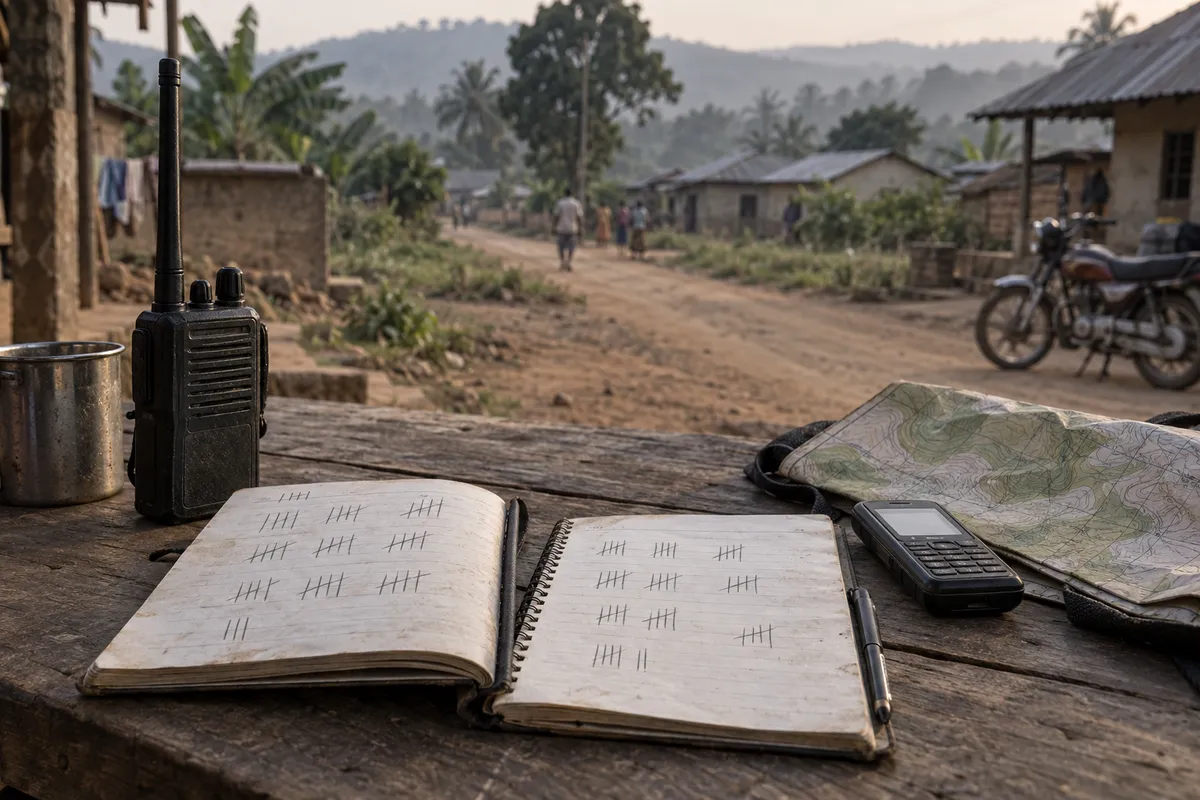
After a reported attack on Binnari village in Taraba state, northeast Nigeria, officials and witnesses are giving different pictures of how many people died. By the end of this article, you will know why those numbers so often disagree, and how to read an early casualty figure without being misled.
This is a sober subject, and the reasoning below is meant to help you read the news carefully, not to speculate.
What has been reported
Per the BBC, unknown gunmen attacked Binnari village, killing at least 10 people. The attackers reportedly looted shops, stole motorcycles and burned homes. Police say they are still searching for other casualties, and officials have warned that the death toll could rise. According to the BBC's reporting, eyewitnesses and Amnesty International suggest the real figure may be far higher.
Note the phrase "at least." It is doing real work. It means "this many are confirmed, and we expect more."
Why the first number is usually a floor
An early official count generally reflects what has been verified: bodies found, recorded and confirmed by authorities. That is a different thing from the number of people who died. Several ordinary factors can widen the gap:
- Searching takes time. Police are still looking for other casualties, per the BBC. People may be found later in homes, fields or bush areas.
- Verification is slower than witnessing. A resident who saw an attack can estimate immediately. An official has to confirm before publishing.
- Remote places are hard to reach. Villages away from major cities can take longer for responders to get to and document.
- Fire and chaos complicate counting. When homes are burned and residents scatter, it can be hard to know who is dead, injured or simply missing.
These are general reasons counts shift. The reporting does not say which of them apply in Binnari, so treat them as a guide to reading the numbers, not as findings about this case.
Why survivor and rights-group figures often run higher
Eyewitnesses count what they know: neighbors, relatives, people they saw fall. Groups like Amnesty International often gather accounts from the community. That can capture deaths not yet verified by officials. It can also carry uncertainty, since estimates made in the aftermath may be revised.
Neither source is automatically right. Official figures tend to be conservative and confirmed. Witness figures tend to be broader and less verified. The truth usually sits above the first official number, and the gap closes as searches finish.
Why the setting matters
The BBC's reporting places this attack within a wider pattern of rural insecurity in Nigeria, with armed groups striking communities across the northeast, northwest and central regions. There is persistent criticism that authorities are failing to protect remote villages from repeated violence, and Amnesty has criticized the security response.
In a remote village, the distance to help shapes everything: how quickly responders arrive, how fast bodies are found, and how completely events are recorded. Stolen motorcycles, mentioned in the reporting, are a reminder that attackers can move quickly across rural ground. The reporting does not detail how this attack unfolded beyond what is summarized above, so avoid drawing conclusions about tactics from one incident.
How to read an early casualty figure
A few habits make you a sharper reader of breaking news:
- Look for "at least." It signals a minimum, not a total.
- Check who is giving the number. Police, local officials, witnesses and rights groups each count differently.
- Watch for "searches continuing." That means the figure is not final.
- Expect revisions. A rising number usually reflects slower counting, not changing facts.
- Follow updates from outlets that attribute their figures. Clear sourcing lets you see who knows what.
The human side of a number
Every figure here stands for people in a community that has lost neighbors, homes and livelihoods. Counts matter because they shape attention and response. When a toll is undercounted, the scale of the loss can be underestimated by the people who decide how to respond.
The most useful thing you can do with an early number is hold it loosely: treat it as the minimum, and check back for updated, attributed reporting.