A conversation model trained only on speech, rather than on text, is the kind of idea that gets a Hacker News post to 301 points and 113 comments. That is what happened with Dessa, a project from Block. But the most useful thing you can read about a tool like this may not be the demo. It may be the privacy notice.
Here is what that notice covers, according to Block's page for dessa.com, and a short checklist you can reuse on any AI tool that wants to listen to you.
What the Dessa page actually tells you
The material I have to work with is Block's privacy practices for the dessa.com website. It does not describe how the speech model works, how it was trained, or how it performs. So this article is not a review of the model. It is a look at what the site says about your data.
Per Block, the notice outlines:
- what personal, device, and usage data is collected
- how that data is used
- when it may be shared with affiliates, service providers, or legal authorities
That is a familiar structure for a privacy notice. The useful part is knowing what each category means for you in practice.
Three kinds of data, three different questions
Personal data: what you hand over
This is the information that identifies you, such as details you enter into a form. Ask yourself whether the tool needs it to work. If you can try something without an account, that is usually the lower-exposure choice.
Device data: what your browser reveals
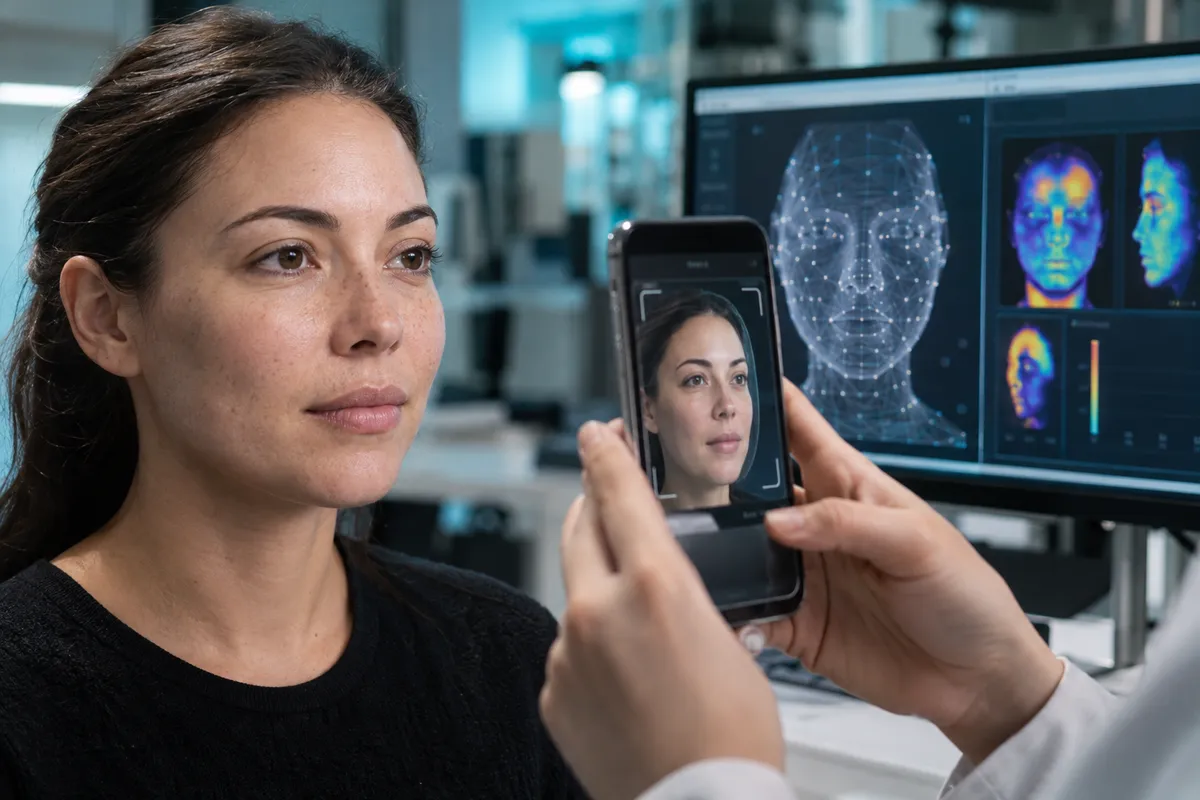
Just by visiting a website, you tend to reveal technical details about the device you are using. Block's notice lists device data as a category it collects. You did not type any of it, which is why it is easy to forget it exists.
Usage data: what you do once you are there
Usage data describes how you interact with a site. For a company building AI products, that kind of information is valuable because it shows what people actually do with a tool. Block lists it as collected. The notice, as described, covers the website, so check separately what applies if and when you use the product itself.
Who else might see it
The notice says data may be shared in three situations: with affiliates, with service providers, and with legal authorities.
Affiliates matters most here. Dessa sits within Block, and Block's wider family includes Square, Cash App, Afterpay, and TIDAL. A reasonable reader will want to know how information on one site relates to those other services. The notice is where that answer lives, so read the affiliate section closely rather than assuming a research-flavored site is walled off.
Service providers are outside companies that help run things, such as hosting or analytics. Legal authorities means the company may disclose information when legally required. Both are standard language, but they are worth noticing rather than skimming.
Why voice makes this matter more
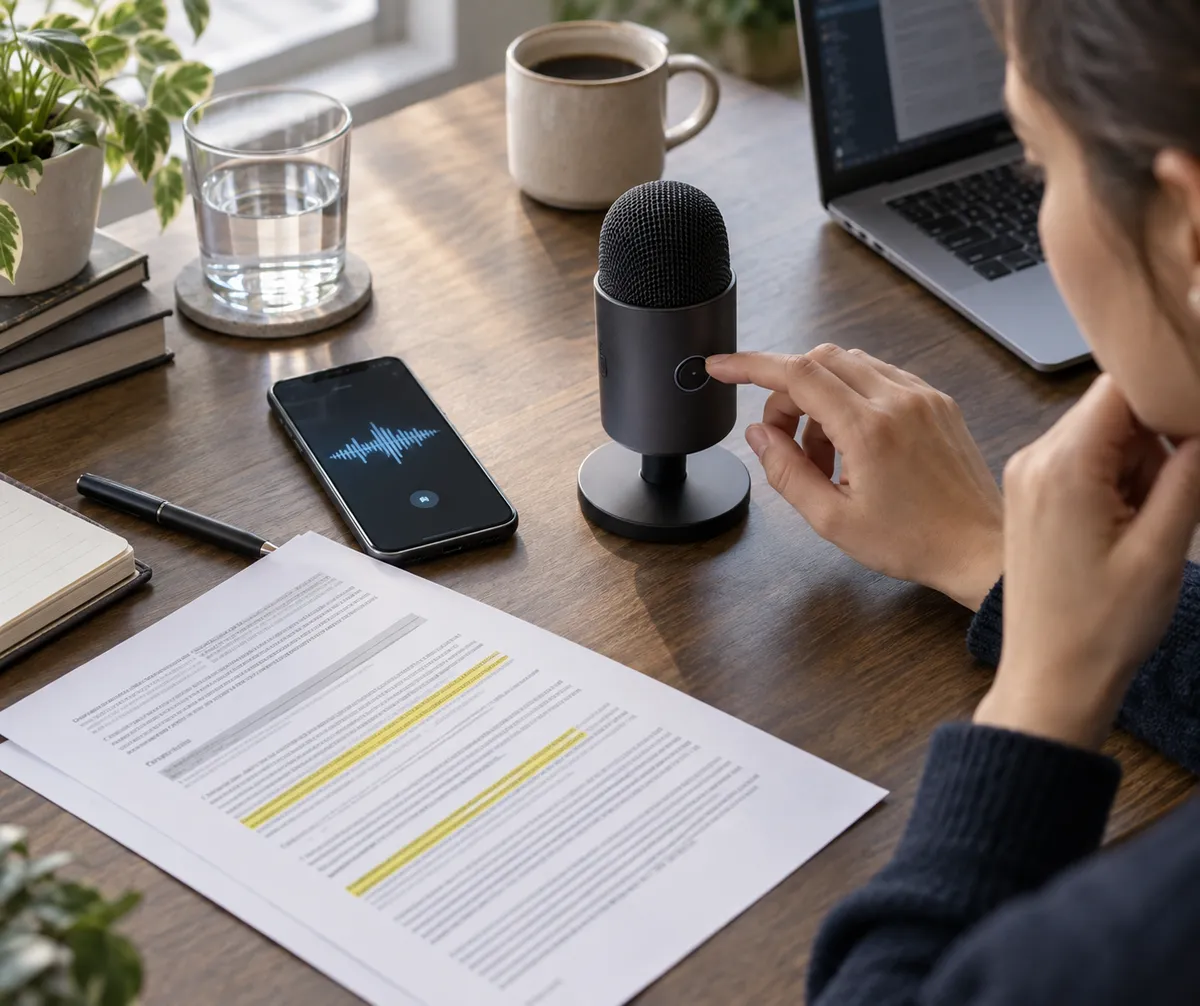
That is my analysis, not something from the notice: speech carries more than words. A voice recording can reveal how you sound, and people tend to speak more casually and personally than they type. If you test any speech-based AI, it is worth asking whether audio is stored, for how long, and whether it is used to improve the system. The Dessa page, as summarized, covers website data. It does not tell me how audio would be handled, so that is a question to settle before you speak to any tool.
A five-minute checklist for any new AI tool
- Find the notice first. It is usually linked in the footer. Skim the headings before the details.
- Look for the three categories. Personal, device, and usage data. Note which ones need your action and which are collected automatically.
- Read the sharing section. Look for affiliates, service providers, and legal disclosures. Know which companies are in the family.
- Search for audio or recordings. If a tool listens to you, the notice should say what happens to what it hears.
- Check for choices. Look for ways to limit collection, delete data, or contact the company.
- Decide what you will say. Even with good policies, avoid sharing anything in a test that you would not want stored.
The takeaway
A new AI model is exciting, and a privacy notice is not. But the notice is the one document that says what the company will do with what you give it. Before you talk to the next voice AI, spend five minutes reading it, and start with the section on who else gets the data.