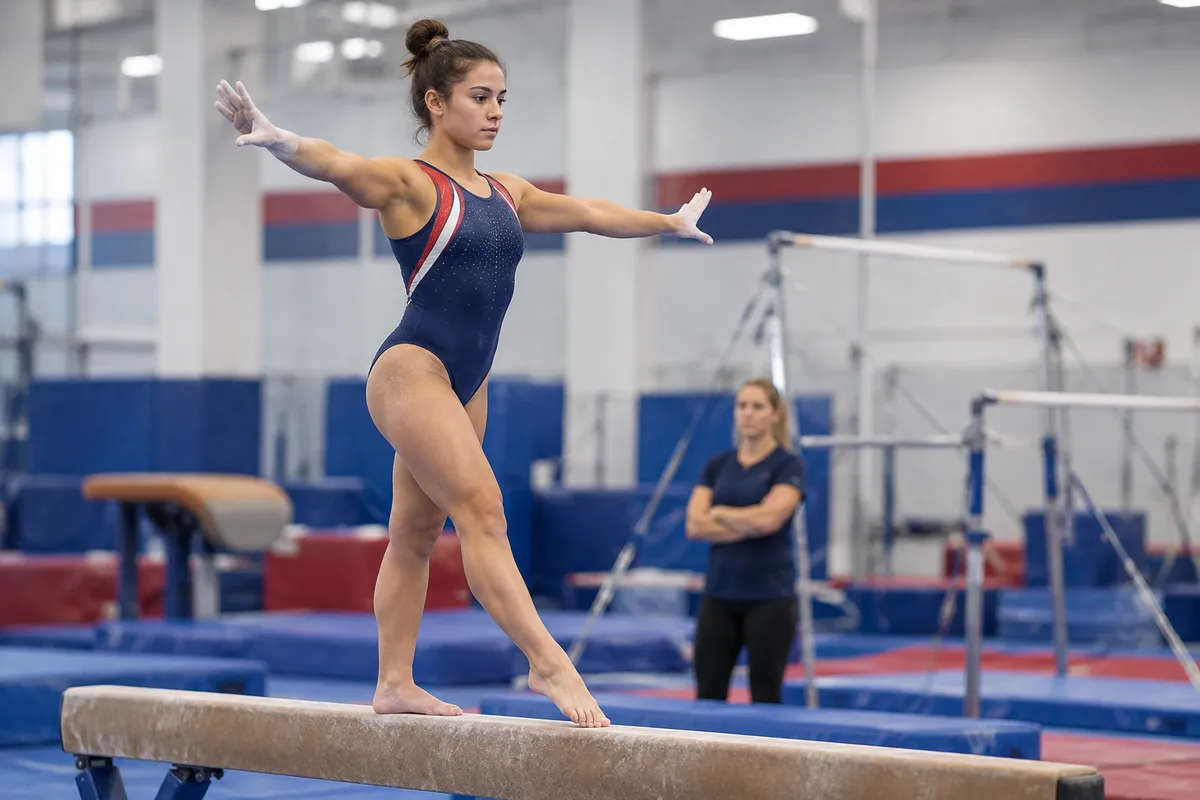
Skye Blakely's World Championships results are driving a burst of searches for one simple word: "medal." By the end of this article, you'll know what the recent coverage actually reports, and you'll have a clearer way to judge any "historic streak" headline you see in sports.
What the coverage says
Three recent pieces are behind the spike. Here is what each one reports, and nothing beyond that.
- The Athletic (The New York Times) published an interactive piece with the headline "This U.S. gymnastics medal streak is unlike any other in the sport's history." Its URL points to the U.S. women's all-around record streak at the World Championships.
- Florida Gators reported that Blakely added two world bronze medals to a historic gold.
- International Gymnast Magazine covered the women's all-around final in Rotterdam under the headline "Blakely rises to the top."
I can't tell you more detail than those headlines and summaries support, such as exact scores or the streak's precise length. For those, read the original reports linked above.
Why a streak is a different kind of achievement
Here is the angle worth keeping in mind: a streak is not one big win. It is the same hard thing succeeding again and again, with different people.
That is what makes the all-around streak notable. Each year's all-around final has a new field, new injuries, new rule tweaks and new rivals. A country can't coast on last year's champion. It has to produce another medal-level athlete, on schedule, every time.
This is my analysis rather than a reported claim, but the logic is easy to test. Think of flipping a coin and calling heads. One heads is nothing. A long run of heads makes you suspect the coin is weighted. A long medal streak suggests something is weighted too: the system that finds, trains and develops athletes.
Three things that make streaks fragile
These are general features of the sport, offered as context rather than as findings from the articles above.
1. The all-around demands four events
An all-around medalist can't rely on a single signature skill. A medal usually means being strong on every apparatus in a single competition. One shaky landing on one event can erase the margin.
2. Careers are short and unpredictable
Gymnasts peak within a narrow window of years, and injuries can interrupt it. A streak needs the next athlete ready at exactly the moment the last one steps back.
3. Margins are small
Elite gymnastics is scored in fractions of a point. The gap between a medal and fourth place can come down to a step on a landing.
Why Blakely is the current hook
Blakely's story is unusual in one respect that the headlines make plain: she left Rotterdam with a gold and two bronzes, according to Florida Gators and International Gymnast. The Gators report calls the gold historic. A gold plus two bronzes from one championship shows range across the program of events, not a single good day.
She also competes for Florida, so the coverage is a reminder that U.S. world-level talent often passes through college gymnastics, a link that is easy to forget when you only see the big international meets.
How to read any "historic streak" headline
Next time you see one, run three quick checks:
- What exactly is being counted? An all-around medal streak is a narrower claim than "medals in any event."
- Is it the same person or a pipeline? Streaks carried by many athletes say more about a system than about one star.
- What's the baseline? A streak is only impressive compared with how often other countries manage the same thing.
The Athletic's interactive piece is built around that third question, comparing this run with the rest of the sport's history, which is why it makes the "unlike any other" claim.
The takeaway
When you see a streak, don't just ask who won. Ask how many different people it took to keep it going. That number tells you far more than the medal count does.